I still remember the first time I tried how to cook without oil. I expected bland vegetables, sticky pans, and a lot of frustration. Instead, I found a whole new way to cook that actually made my meals feel lighter and more intentional.
Now, it’s part of my daily routine. I don’t overthink it. I just use a few simple habits that keep my food flavorful, my kitchen clean, and my meals surprisingly satisfying. If you’ve been curious about making this shift, I’ll walk you through exactly what works in real life.
Why Did I Start Learning How to Cook Without Oil?
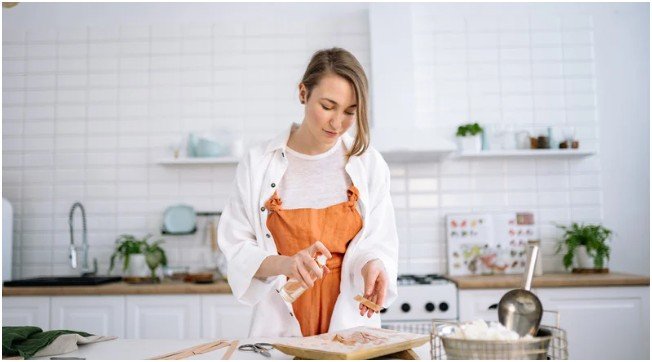
I didn’t make this change overnight. I noticed that I relied heavily on oil for everything—sautéing, roasting, even dressings. Over time, meals started to feel heavy, and I wanted something lighter without sacrificing taste.
When I started exploring how to cook without oil, I realized oil wasn’t the flavor. It was just a carrier. The real flavor came from spices, textures, and cooking techniques. That mindset shift changed everything for me.
Now, I focus more on ingredients and less on shortcuts. My meals feel cleaner, and I actually taste the food more. That alone keeps me consistent whenever i try to cook healthy snacks for my weight loss routine.
How Do I Sauté Without Oil Without Ruining the Texture?
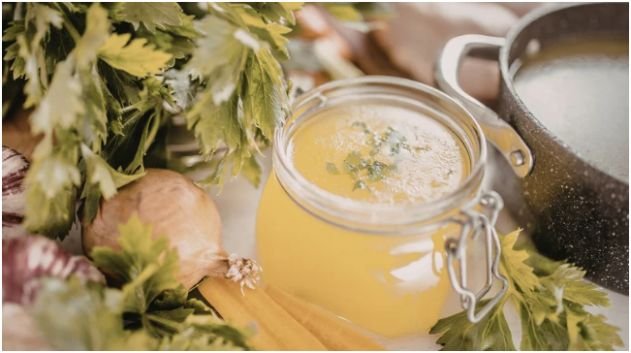
This was my biggest concern. I thought everything would stick or turn soggy. But once I learned water sautéing, it became second nature.
I start with a hot pan. That step matters more than anything. Then I add chopped onions or vegetables and let them sit for a moment. When they begin to stick slightly, I add a tablespoon of water or vegetable broth.
That small splash lifts everything and creates that same sizzling effect. I keep adding liquid in small amounts as needed. The result feels surprisingly similar to traditional sautéing, but lighter and more controlled.
Can You Still Get That Golden Brown Flavor Without Oil?
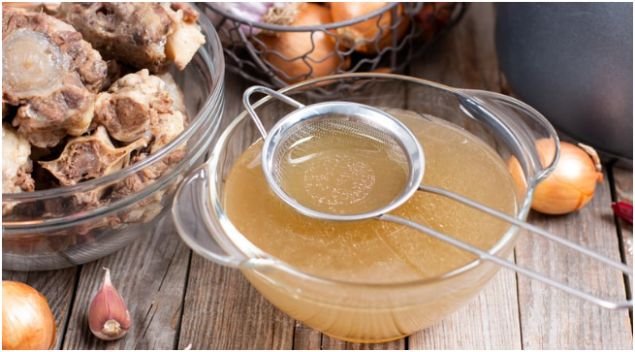
Yes, and this surprised me the most.
I used to think oil created browning. It doesn’t. Heat does. Now I let my vegetables cook until they start to stick slightly. That’s where the flavor builds.
Then I deglaze the pan with a bit of broth, vinegar, or even lemon juice. That step lifts all the browned bits and adds depth. It feels like unlocking hidden flavor instead of covering it with oil.
Once I got comfortable with this, my food actually started tasting better, not worse.
What Are the Best Ways to Roast and Bake Without Oil?
Roasting felt tricky at first. I worried my vegetables would dry out. But I found a rhythm that works every time.
I line my tray with parchment paper or a silicone mat. That alone solves most sticking issues. Then I season generously and sometimes toss vegetables in a light broth-based marinade.
If I want extra softness inside and crisp edges outside, I steam vegetables like potatoes first. Then I roast them. That simple step makes a huge difference in texture.
Quick Comparison: Oil vs Oil-Free Cooking
| Cooking Step | With Oil | Without Oil |
| Sautéing | Oil prevents sticking | Water or broth lifts and softens |
| Browning | Oil helps heat transfer | Heat + deglazing builds flavor |
| Roasting | Oil adds crispness | Steam first + high heat roasting |
| Baking | Oil adds moisture | Fruit purées keep softness |
What Do I Use Instead of Oil in Everyday Cooking?
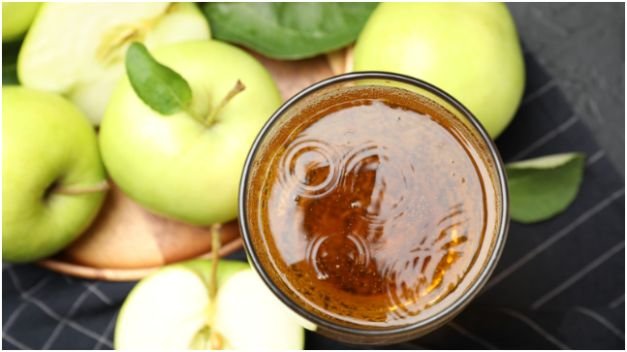
This is where things get creative. Once I stopped relying on oil, I started experimenting more.
For sautéing, I use vegetable broth, water, soy sauce, or even a splash of wine. For baking, I swap oil with applesauce or mashed banana. It keeps everything moist without feeling heavy.
For dressings, I lean on lemon juice, balsamic vinegar, tahini, or blended nuts. These options add flavor and texture without needing oil at all.
I don’t feel like I’m missing anything. I just use ingredients differently.
What Kitchen Tools Make Oil-Free Cooking Easier?
I noticed a big difference once I upgraded a few basics.
A good non-stick or ceramic pan saves time and frustration. I also rely heavily on parchment paper for baking and roasting. Nothing sticks, and cleanup becomes effortless.
My air fryer has also become one of my favorite tools. It gives me that crispy texture I used to associate with oil-heavy cooking. It feels like a shortcut without compromising my goals.
These tools don’t make the process complicated. They make it smoother.
How to Cook Without Oil Step by Step in My Daily Routine
This is how I actually cook most days. It’s simple and repeatable.
First, I preheat my pan or oven. I never skip this because it prevents sticking and improves texture.
Next, I start cooking vegetables or ingredients directly in the pan. I let them sit briefly to build flavor. Then I add small amounts of water or broth when needed.
As things cook, I season generously. I use spices, herbs, and acidic ingredients like lemon or vinegar. These bring out flavor without relying on fat.
If I roast something, I either steam it first or keep an eye on moisture levels. I add a splash of liquid if things start drying out.
By the end, I focus on texture. I adjust heat or finish with fresh herbs. That final step makes the dish feel complete.
What Mistakes Did I Make When Learning How to Cook Without Oil?
I made a few mistakes early on, and they taught me a lot.
I used too much water at first. That turned everything mushy. Now I add liquid in small amounts and stay in control.
I also didn’t season enough. Oil used to mask that mistake. Without it, I needed to be more intentional with spices and acidity.
Another mistake was overcrowding the pan. That prevents browning and creates steam. Once I started giving food space, everything improved.
Key Takeaways From My Oil-Free Cooking Routine
- Heat matters more than oil for flavor and texture
- Small amounts of liquid replace oil effectively
- Seasoning becomes more important
- Good cookware makes everything easier
- Practice builds confidence quickly
FAQs About How to Cook Without Oil
1. Does food taste bland without oil?
Not at all. I actually taste ingredients more clearly now. When I use spices, herbs, and acidic flavors like lemon or vinegar, the food feels brighter and more balanced. Oil used to mask flavors. Now everything stands out more.
2. Is oil-free cooking harder for beginners?
It feels different at first, but not harder. Once you understand water sautéing and heat control, it becomes routine. I found it easier after a few tries because I stopped worrying about burning or using too much oil.
3. Can I still cook crispy foods without oil?
Yes, especially with an air fryer or high-heat roasting. I get crispy potatoes and vegetables by steaming them first and then roasting. That combination creates a great texture without needing oil.
4. What is the best substitute for oil in baking?
I usually use applesauce or mashed banana. Both keep baked goods moist and soft. The flavor stays subtle, and the texture turns out just right for everyday recipes.
No Oil, No Problem: Why I’m Not Going Back
I never thought I would enjoy cooking this way, but now it feels natural. I don’t miss oil because I replaced it with better habits, not restrictions.
Cooking this way made me more aware of flavors, textures, and how I build meals. It feels lighter, simpler, and more intentional.
If you try how to cook without oil, start small. One meal, one technique. You don’t need perfection. You just need consistency.