I used to think digestion issues were just random. Some days felt great, and other days came with bloating, discomfort, and low energy. Once I started paying attention to what to eat for healthy digestion, everything changed.
I didn’t follow a strict diet. I built a routine that fit my lifestyle, used simple foods, and focused on consistency. That’s what made the biggest difference.
Now, my meals feel lighter, my energy stays steady, and my gut feels calm instead of unpredictable. Here’s exactly what works for me.
What to Eat for Healthy Digestion Every Morning?
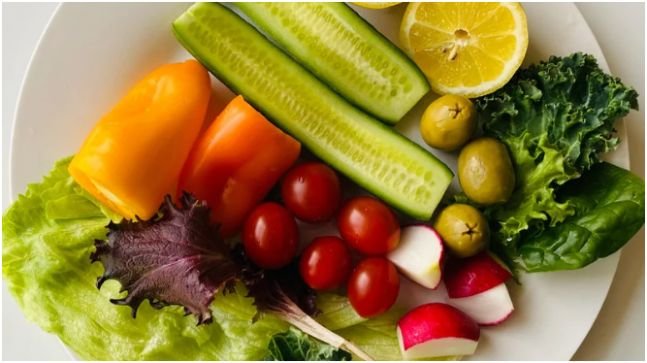
I always start my day with something simple that wakes up my digestive system. I drink warm water first. Sometimes I add lemon or a few fennel seeds. That small habit sets the tone for the entire day.
Breakfast stays fiber-focused. I rotate between oatmeal with berries and flaxseeds, chia pudding, or a smoothie with spinach and yogurt. These meals feel light but keep me full for hours.
I noticed that when I skip fiber in the morning, my digestion slows down. Starting strong makes everything else easier throughout the day.
How Do I Build Gut-Friendly Meals Without Overthinking It?

I stopped overcomplicating meals. Instead of counting calories, I focus on balance. Each meal includes fiber, protein, and something that supports gut health.
For lunch, I usually go for something like a chickpea salad or a lentil bowl with vegetables. These meals feel satisfying without making me sluggish. They also help me avoid cravings later in the day.
Dinner stays simple and warm. I often make stir-fries with vegetables and brown rice or a light dal with quinoa. These meals digest easily and don’t leave me feeling heavy before bed.
What Foods Actually Help Digestion the Most?
I built my routine around foods that consistently make me feel good. Over time, I noticed patterns. Some foods always support digestion, while others slow everything down.
Here’s how I think about it:
| Food Type | Why It Helps | My Go-To Options |
| Whole grains | Add bulk and prevent constipation | Oats, brown rice, quinoa |
| Probiotics | Support gut bacteria | Yogurt, kefir, curd |
| Fruits | Improve stool movement | Apples, bananas, papaya |
| Greens | Support digestion naturally | Spinach, kale |
| Seeds | Boost fiber intake | Chia, flaxseeds |
I also rely on small additions like ginger and fennel. They help reduce bloating and keep my stomach calm after meals.
What Should I Avoid for Better Digestion?
I learned this the hard way. Certain foods always slow my digestion or cause discomfort.
Fried foods feel heavy and take longer to digest. Sugary snacks and artificial sweeteners often lead to bloating. I also noticed that too much caffeine or soda makes my stomach feel off.
I don’t completely eliminate these foods. I just keep them occasional. That balance helps me stay consistent without feeling restricted.
How Do I Naturally Increase Fiber Without Feeling Bloated?
When I first increased fiber, I made a mistake. I added too much too fast. That led to bloating instead of better digestion.
Now, I increase fiber gradually. I add small portions like chia seeds in breakfast or lentils in lunch. I also make sure I drink enough water throughout the day.
Fiber works best when paired with hydration. Without water, it can slow things down instead of helping. Once I balanced both, my digestion improved quickly.
How Do I Plan a Simple Week of Digestive-Friendly Meals?
I like keeping things predictable but not boring in my meal planning strategy. I rotate meals across the week so I don’t get overwhelmed.
Here’s a simplified version of what my week looks like:
| Day | Breakfast | Lunch | Dinner |
| Mon | Oatmeal + berries | Chicken wrap + slaw | Veg stir-fry + rice |
| Tue | Poha + sprouts | Dal + rice | Salmon + spinach |
| Wed | Yogurt + granola | Quinoa bowl | Veg soup + bread |
| Thu | Smoothie | Khichdi | Chicken + quinoa |
| Fri | Eggs + toast | Paneer + roti | Tofu stir-fry |
| Sat | Overnight oats | Rajma + salad | Fish + broccoli |
| Sun | Chia pudding | Upma + curd | Moong dal soup |
This routine keeps my digestion steady because I stay consistent with fiber, protein, and hydration.
How-To: What to Eat for Healthy Digestion Step by Step

I follow a simple system that fits into my daily routine without stress.
First, I start my morning with warm water. This helps activate digestion early and prepares my body for food.
Next, I eat a fiber-rich breakfast. I choose something like oats, chia pudding, or a smoothie. This keeps my energy stable and supports gut movement.
For lunch, I build a balanced plate. I include legumes or whole grains with vegetables. This helps me stay full and supports digestion.
In the evening, I keep dinner light and warm. I avoid heavy meals and focus on easy-to-digest foods like soups, dal, or stir-fry.
Throughout the day, I stay hydrated. I also eat slowly and chew my food properly. These small habits make a big difference.
What Snacks Support Digestion Without Overloading the Stomach?
Snacks play a bigger role than most people think. I use them to boost fiber and keep my digestion consistent.
I usually go for fruit like apples or bananas. Sometimes I add peanut butter for healthy fats. Roasted makhana or almonds also work well when I need something crunchy.
On warmer days, I drink coconut water or herbal teas like ginger or fennel. These feel refreshing and support digestion at the same time.
Key Takeaways for Better Digestion
I focus on consistency over perfection. Simple meals work better than complicated plans.
I prioritize fiber, probiotics, and hydration every day.
I listen to my body and adjust my meals based on how I feel.
Small habits like chewing slowly and eating on time matter more than strict rules.
FAQs
1. How quickly can I improve my digestion with diet changes?
I noticed small improvements within a few days. Bigger changes took about one to two weeks. Consistency matters more than speed. If you follow a routine with fiber, hydration, and balanced meals, your digestion gradually becomes more stable.
2. Can I eat carbs and still have good digestion?
Yes, I actually rely on carbs like oats, brown rice, and quinoa. These whole grains support digestion because they contain fiber. The key is choosing the right type of carbs instead of processed ones.
3. Do probiotics really help digestion?
From my experience, they do. Foods like yogurt and kefir helped reduce bloating and improved how my body processes meals. They support healthy gut bacteria, which plays a major role in digestion.
4. What is the easiest change to start with?
I always recommend starting with breakfast. Add fiber through oats or chia seeds and drink more water. This simple shift creates momentum and makes it easier to improve the rest of your meals.
Your Gut Will Thank You Later (Trust Me)
Once I understood what to eat for healthy digestion, everything became simpler. I stopped chasing quick fixes and focused on daily habits that actually work.
You don’t need a perfect diet. You need a routine that feels natural and easy to follow. Start small, stay consistent, and pay attention to how your body responds.
Your digestion doesn’t improve overnight, but it improves faster than you expect when you stay consistent.