
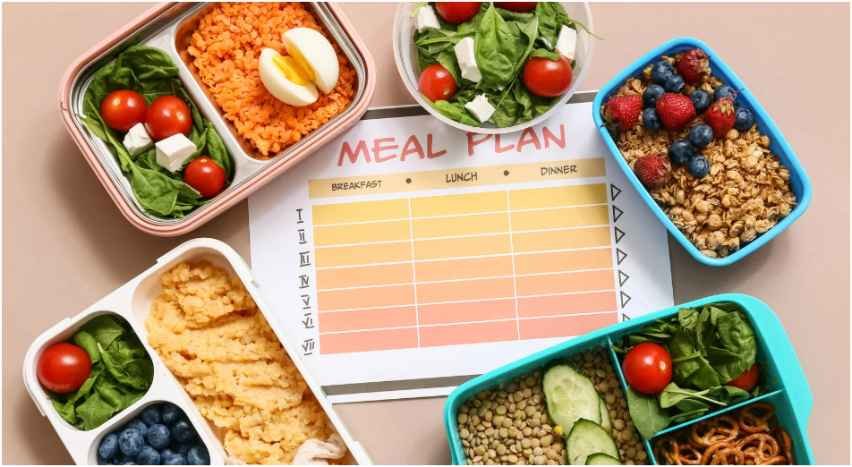
I used to open my fridge at 7 PM, stare at random ingredients, and still end up ordering takeout. That cycle drained my time, money, and energy. Everything changed when I started following a few practical meal planning tips for beginners that fit into my real routine instead of overwhelming it.
I didn’t aim for perfection. I focused on simplicity, repetition, and small wins. Once I removed the pressure to plan a full week, meal planning started to feel doable and even enjoyable. If you feel stuck or inconsistent, this approach might click for you too.
Why did I struggle with meal planning before?
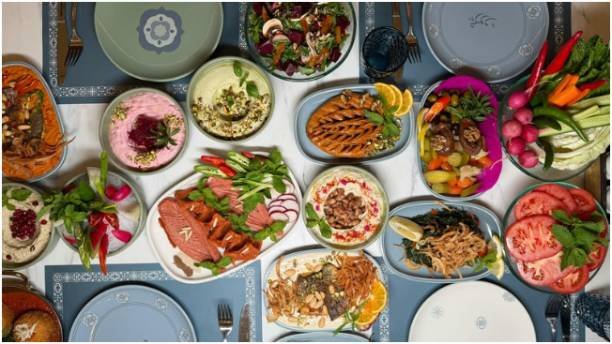
I always thought I needed a full weekly plan, fancy recipes, and a Pinterest-worthy fridge. That mindset made me quit before I even started. I overplanned, bought too much, and wasted food.
Once I simplified things, everything changed. I started with just 2–3 days and focused only on dinners. That shift made meal planning feel like a routine, not a chore. If you feel overwhelmed, scale it down first. Consistency matters more than perfection.
What are the most effective meal planning tips for beginners?
The biggest shift I made came from using practical meal planning tips for beginners that actually fit my lifestyle. I stopped chasing complicated systems and focused on what works on busy weekdays.
First, I always check my calendar. If I know I’ll work late or have plans, I don’t schedule cooking-heavy meals. That alone saves me from guilt and wasted groceries.
Next, I “shop my kitchen” before making a list. I build meals around ingredients I already have. This habit cuts costs and reduces food waste more than anything else I’ve tried.
I also stick to familiar meals. I choose 3–4 go-to recipes and try only one new dish per week. That balance keeps things interesting without adding stress.
How do I plan a simple 3-day meal routine?
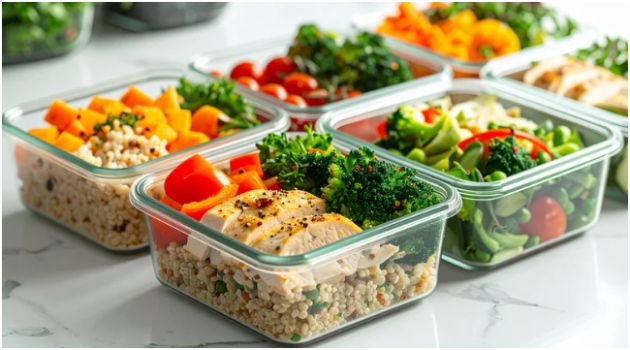
When I started applying meal planning tips for beginners, I realized I didn’t need a complicated system. A simple 3-day plan gave me structure without feeling restrictive.
Here’s the exact structure I use:
| Day | Breakfast | Lunch | Dinner |
| 1 | Spinach & egg scramble with toast | Grilled chicken salad | Sheet-pan chicken with veggies |
| 2 | Greek yogurt with nuts & berries | Chicken or turkey wrap | Leftovers from Day 1 |
| 3 | Oatmeal with banana | Hummus & veggie plate | Quick pasta with spinach & tuna |
This routine works because I reuse ingredients like spinach, chicken, and eggs. I cook once and eat twice. That alone saves me hours during the week.
I also keep snacks simple. I rotate between apple slices with peanut butter, boiled eggs, or a handful of nuts. Nothing fancy, just reliable.
How do I shop smarter without overspending?
Grocery shopping used to overwhelm me. I would walk in without a plan and walk out with random items. Now I follow a simple structure that keeps everything focused.
I organize my list by sections like produce, dairy, pantry, and protein. That helps me move faster through the store and avoid impulse buys.
I also choose meals that share ingredients. For example, I use one big bag of spinach across breakfast, lunch, and dinner. That approach saves money and prevents waste.
Sometimes I rely on shortcuts. Frozen vegetables, canned beans, and rotisserie chicken save time and still keep meals nutritious. I stopped trying to do everything from scratch.
How do I prep 3 days of meals in under an hour?
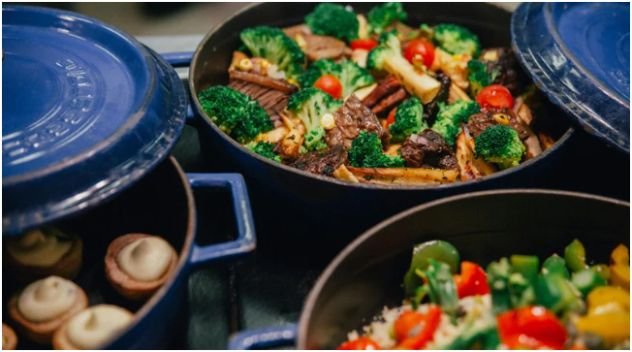
This is where everything clicked for me. Once I learned how to prep efficiently, meal planning became effortless. I rely on a simple system built around multitasking.
How-To: My 1-hour meal prep routine
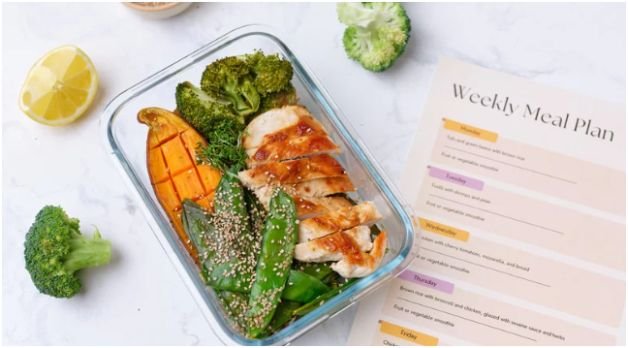
I start by preheating the oven to 400°F. While it heats, I chop sweet potatoes, broccoli, and chicken into bite-sized pieces. I keep everything simple and quick.
Next, I toss everything in olive oil, salt, pepper, and garlic powder, then spread it on a sheet pan. I put it in the oven for about 25–30 minutes.
While the food roasts, I boil 4–6 eggs for snacks. At the same time, I wash spinach and berries and portion snacks into containers.
Once everything finishes cooking, I let it cool for a few minutes. Then I divide the chicken and veggies into containers for the next two days.
In the last 10 minutes, I clean up and label everything. That step makes a huge difference because I always know what to eat and when.
What beginner frameworks actually make this easier?
I love simple frameworks because they remove decision fatigue. When I feel stuck, I fall back on these systems.
The 5-4-3-2-1 rule helps me build a grocery list: five veggies, four fruits, three proteins, two carbs or sauces, and one fun item. It keeps my cart balanced without overthinking.
The 3-1-1 rule works great for planning. I cook three meals, reserve one day for leftovers, and leave one night open for flexibility.
I also follow the 2:2:2 food safety rule. I refrigerate food within two hours, eat it within two days, or freeze it for later. This habit keeps everything safe and fresh.
How do I stay consistent without getting bored?
Consistency used to be my biggest struggle. I would start strong and then fall off after a week. What helped me was making the process flexible and realistic.
I use theme nights like “Taco Tuesday” or “Pasta Night” to simplify decisions. These themes reduce mental effort and make planning feel fun instead of repetitive.
I also give myself room to adjust. If I don’t feel like cooking one night, I swap meals or use leftovers. Flexibility keeps me from quitting altogether.
The biggest mindset shift I made was this: meal planning supports my life, not controls it.
FAQs about meal planning tips for beginners
1. How many days should I plan as a beginner?
I recommend starting with just 2–3 days. That approach feels manageable and builds confidence. Once you get comfortable, you can extend it gradually. Starting small helps you stay consistent instead of feeling overwhelmed.
2. Can I meal plan without cooking every day?
Yes, and that’s actually the goal. I cook once and reuse meals across multiple days. Leftovers and batch cooking reduce daily effort and make your routine more sustainable.
3. What if I get bored eating the same meals?
I keep things fresh by changing sauces, spices, or sides. Even small tweaks can make meals feel different. I also try one new recipe each week to keep things interesting without adding stress.
4. Is meal planning expensive?
Not at all. I actually spend less now because I buy with intention. Shopping my kitchen first and using shared ingredients helps reduce waste and keeps my grocery bill under control.
So… is meal planning really worth it or just another trend?
Here’s the honest truth: once I found a system that worked for me, meal planning stopped feeling like a task and started feeling like relief. I save time, eat better, and avoid last-minute stress.
The best part is that I don’t rely on motivation anymore. I rely on habits. That’s the real secret behind effective meal planning tips for beginners.
If you take one thing from this, keep it simple. Start small, stay flexible, and build a routine that fits your real life. That’s what actually sticks.